

If you've ever tried starting a diesel generator or vehicle engine on a chilly winter morning, you probably know the sound, that sluggish crank, a few weak turns, and silence. It's not that the machine is broken; it's that the cold has made the engine oil thick, and the diesel too heavy to ignite efficiently.
That's where an engine block heater comes in. It's one of those small, often overlooked devices that make a big difference — especially in regions like the UAE's mountain areas (Al Ain, Hatta, Fujairah) where winter mornings can dip lower than expected.
Even though most of the UAE is warm year-round, those who use diesel generators for construction, farms, villas, or backup systems know that cold-start issues can happen anywhere fuel and engines mix.
What Exactly Is an Engine Block Heater?
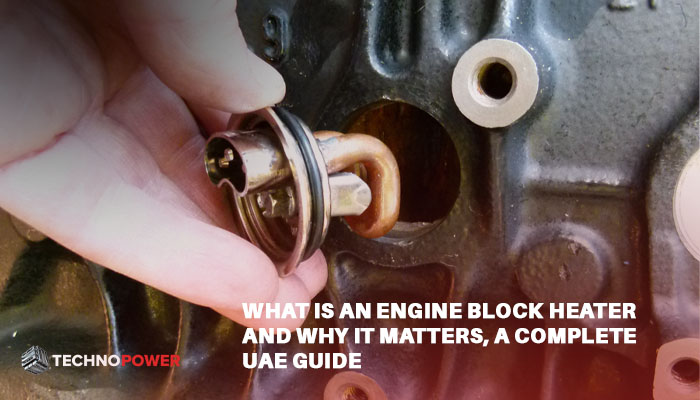
An engine block heater is a small electric heating element designed to warm up your engine before you start it. It's usually installed in or around the engine block, where it heats the coolant and, indirectly, the engine metal itself.
By keeping the engine warm, it helps: Start the engine smoothly in cold conditions, Reduce stress on the starter motor and battery, Lower fuel consumption during startup, and Prevent damage caused by thickened oil and poor lubrication.
Think of it as giving your engine a gentle "morning coffee" before it gets to work.
How an Engine Block Heater Works
At its core, the block heater uses electric power (usually 220–240V in the UAE) to warm the engine coolant inside the block. As the coolant heats up, it transfers warmth to the surrounding metal parts — the cylinders, pistons, and oil, helping everything reach a temperature that allows for smooth ignition.
There are a few common designs:
Immersion Heater: Screws directly into the engine block, heating coolant from within - Typical Use: Diesel generators, trucks, heavy machinery.
In-line Heater: Installed in the coolant hose; uses a small pump to circulate warm fluid - Typical Use: Larger or remote-mounted systems.
Magnetic or Pad Heater: Attaches to the outside of the oil pan or block using magnets - Typical Use: Temporary or mobile heating needs.
Each type serves the same purpose: to make starting easier, cleaner, and faster when temperatures drop.
Why Engine Block Heaters Matter (Even in the UAE)
You might think, "But the UAE is hot — do we really need block heaters here?" Fair question, but the answer is: yes, in specific cases.
While coastal cities like Dubai or Abu Dhabi stay warm, other areas such as Hatta, Fujairah, or Al Ain can experience surprisingly cold mornings in winter, sometimes dropping below 10°C.
For diesel generators, even this moderate cold is enough to cause: Hard starting, Excessive white smoke, Incomplete fuel combustion, and Higher fuel consumption.
Fleet operators, construction teams, and villa owners who rely on backup generators often use block heaters to keep engines "ready to start" at any time — especially at dawn or during emergency power outages.
How to Use an Engine Block Heater
Using one is quite simple: Plug it in 2–3 hours before starting the generator (or overnight if temperatures are low). Check the cable and connection for wear or moisture; safety first. Once warmed, start the engine normally; you'll notice smoother ignition, minimal smoke, and steady operation.
Some modern diesel generators even include a smart timer or temperature sensor that automatically activates the heater below a certain temperature.
Real-World Example: Morning at a Fujairah Construction Site
Imagine a construction site in Fujairah, mid-winter. Workers arrive early, around 6 a.m., to power up the generator that runs the lighting and mixing machines. Without a block heater, the diesel generator groans, slow cranking, thick smoke, maybe even a failed start.
But with a block heater, it's different. The generator starts instantly, purrs quietly, and gets to work without struggle.
That's the everyday difference this small device makes, fewer delays, less stress, and longer generator life.
Benefits of Using an Engine Block Heater
1. Easier Cold Starts
The most obvious advantage, it eliminates the painful "crank and pray" moments on chilly mornings.
2. Longer Engine Life
Frequent cold starts cause metal-to-metal friction before the oil warms up. Preheating reduces this wear.
3. Better Fuel Efficiency
Warm engines burn diesel more efficiently, saving fuel over time.
4. Cleaner Emissions
Cold engines produce more smoke and unburnt fuel. A warm start means cleaner combustion and fewer carbon deposits.
5. Ready Power Anytime
For critical systems like medical facilities, farms, or telecom towers, the block heater ensures generators can start instantly during emergencies.
Types of Block Heaters Used in Diesel Generators
Screw-in Immersion Type: Installed in the engine's coolant jacket - Pros: Very effective | Cons: Requires professional installation.
Circulating Heater (In-line): Heats and circulates coolant - Pros: Ideal for large engines | Cons: More parts, higher cost.
Oil Pan Heater: Warms oil from underneath - Pros: Easy to install | Cons: Less uniform heating.
Magnetic Heater: Attaches externally - Pros: Portable, flexible | Cons: Limited heat transfer.
Installation Guide (Simplified Overview)
While it's best done by a technician, here's the general idea: Choose the correct heater type for your engine model. Drain the coolant before installation. Install the heater element in the block's freeze plug or coolant port. Refill the coolant system and check for leaks. Connect the power cable using a weatherproof plug (especially important in UAE's dusty conditions). Test the heater - after 15–30 minutes, the engine block should feel warm to the touch.
Tip: Always disconnect the heater before starting the generator to avoid electrical hazards.
When to Use a Block Heater in the UAE
Even though the UAE isn't freezing, here are scenarios where it helps: Mountain areas (Hatta, Jebel Jais, Al Ain) – Winter mornings can dip below 10°C. Generators stored outdoors overnight – Cold metal + early starts = difficult ignition. Critical power backup systems – Hospitals, hotels, or farms that can't risk startup failure. Fleet vehicles and heavy machinery – Trucks and excavators need warm starts for reliability.
In other words, anywhere that values performance and reliability, an engine block heater makes sense.
Common Mistakes to Avoid
Even simple systems need care. Here are a few common errors people make: Leaving the heater plugged in all the time – It's unnecessary and wastes electricity. Using the wrong voltage – Always check your generator's power compatibility (UAE standard is 220–240V). Ignoring insulation – Protect cables from sun and sand exposure. Skipping regular inspection – Look for cracks, wear, or corrosion around fittings. Using DIY heaters – Avoid makeshift heating elements that can cause electrical shorts.
Maintenance Tips for Long Life
Clean the heater's electrical plug regularly. Check coolant levels monthly; low levels can reduce heating efficiency. Run the generator periodically to circulate warm coolant. Inspect wiring for rodent damage or sand abrasion. Unplug after use to prevent overheating.
Signs Your Engine Might Need a Block Heater
You don't have to guess, your machine often tells you: Difficult starting in cool mornings, Visible white smoke during startup, Unusual knocking or rough idle, Longer warm-up time before reaching operating temperature, and Batteries are draining faster in cold conditions.
If you notice these symptoms, installing a block heater can solve half your generator headaches.
Real-Life Perspective: Why Technicians in the UAE Recommend It
Many technicians across the UAE recommend using engine block heaters not just for cold starts, but for maintaining consistent performance. In places like Ras Al Khaimah or Fujairah, where desert nights get unexpectedly cool, generator operators notice smoother morning startups and fewer complaints about smoke or stalling.
As one field engineer in Sharjah once put it: "It's not about extreme cold, it's about consistency. A warm engine starts right, every time. That's what matters."
Environmental and Efficiency Benefits
Block heaters indirectly reduce your carbon footprint. Since engines warm up faster, they burn fuel more completely, reducing black smoke, noise, and diesel consumption - a small but important step toward cleaner operations in UAE's eco-conscious future.
FAQs - Engine Block Heaters
Q1: How long should I plug in an engine block heater before starting?
Usually, 2–3 hours before starting the generator is enough.
Q2: Can I leave the block heater on all night?
Yes, but it's more efficient to use a timer or thermostat control.
Q3: Does it consume a lot of electricity?
Not really, most heaters use between 300, 1000 watts, similar to a small household appliance.
Q4: Is it safe in dusty UAE conditions?
Absolutely, as long as the cables and plugs are weatherproof and regularly inspected.
Q5: Can I install it myself?
Small magnetic or pad heaters, yes. But immersion types should be installed by a qualified technician.
Q6: Do petrol engines need block heaters?
Mostly, petrol engines start more easily in cold weather than diesel ones.
Small Device, Big Difference
An engine block heater might be small, but it makes a big difference in performance, reliability, and longevity. For diesel generators across the UAE, from villa backup systems to industrial sites, it's the secret to stress-free starts and lower maintenance costs.
When the next cold morning rolls around in Hatta or Fujairah, you'll be glad your generator's already warm, awake, and ready to work.
Because at the end of the day, it's not just about starting an engine, it's about starting right.


